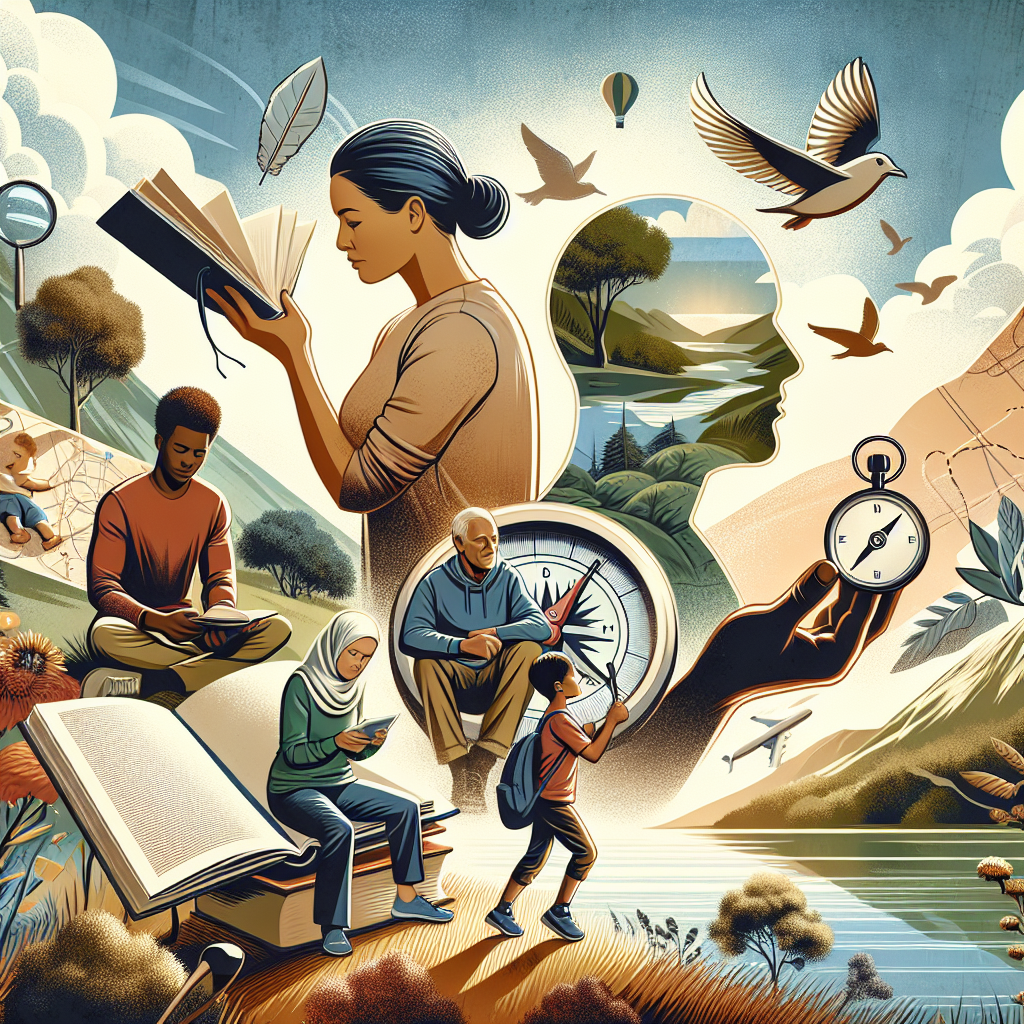
Welcome to Your Journey: Understanding the Life & Health Coaching Landscape
Empower Yourself with Knowledge
Are you ready to embark on a fulfilling career that not only contributes to the well-being of others but also provides you with a sustainable livelihood? In this self-guided online lesson, tailored specifically for women aged 28-50 with bachelor's and advanced degrees, we will explore the exciting world of life and health coaching. Our goal is to equip you with a thorough understanding of the job and earnings landscape associated with these transformative professions.
Why Life and Health Coaching?
Life and health coaching is an empowering field that allows you to inspire positive change in others while maintaining a flexible and rewarding career for yourself. Whether you are seeking to transition into a new role or expand your existing skill set, this lesson will provide you with crucial insights into what it means to be a life or health coach. You will learn about the diverse opportunities available, the necessary qualifications, and the potential earnings you can expect in this growing industry.
What to Expect
Throughout this lesson, you will find detailed solutions and resources to guide you in understanding the key components of a successful coaching career. From certification programs to income potential, we will cover it all. By the end of this lesson, you will have a clearer perspective on how you can leverage your education and experience to create a meaningful impact while achieving your personal and professional goals.
Let’s Get Started!
Prepare to take the first step towards a rewarding career in life and health coaching. Together, we will navigate the landscape of this profession, empowering you with the knowledge and confidence you need to succeed. Let’s dive in!
As a life or health coach, your role extends far beyond simply offering advice or guidance; it encompasses a holistic approach to personal and professional development. You will serve as a partner and facilitator for your clients, helping them identify their goals, uncover barriers, and develop actionable strategies to create lasting change. Understanding this dynamic is essential for both your effectiveness as a coach and your clients’ success.
The coaching relationship is built on trust, respect, and collaboration. You will inspire and empower your clients to take ownership of their journey, encouraging them to reflect on their values, strengths, and areas for growth. This involves active listening, powerful questioning, and providing constructive feedback, all of which are critical skills for fostering a supportive environment.
In personal development, you will guide clients through various aspects of their lives, including emotional well-being, relationships, and self-esteem. Your role is to facilitate self-discovery, allowing clients to clarify their values and vision while supporting them in setting realistic and meaningful goals. You will help them navigate challenges and motivate them to maintain momentum, thus enhancing their overall quality of life.
In professional development, the focus shifts to career aspirations, skill enhancement, and workplace dynamics. You will assist clients in identifying their professional goals, whether they seek a career change, advancement in their current role, or improved work-life balance. This may involve exploring their strengths, creating a personal brand, and developing networking strategies. As a coach, you will also help clients build resilience to overcome workplace challenges and foster leadership qualities.
Ultimately, your role as a life or health coach is to empower women to take charge of their lives, making informed decisions that align with their true selves. By understanding the multifaceted nature of personal and professional development, you will be better equipped to provide tailored support that meets the unique needs of each client, facilitating their journey towards achieving their goals.
Understanding your personal aspirations is a crucial step in navigating the job and earnings landscape as a life or health coach. Your aspirations will not only shape your coaching style but also influence your target market, service offerings, and ultimately, your income potential. Reflect on the following questions to clarify your personal aspirations:
What motivates you to become a life or health coach? Consider the reasons behind your desire to enter this field. Is it a passion for helping others? A personal transformation that inspired you? Identifying your core motivations will help you stay focused and energized throughout your coaching journey.
What are your long-term career goals? Visualize where you see yourself in five to ten years. Do you aspire to run your own coaching practice, work within a wellness organization, or perhaps create online courses? Your long-term vision will guide your decisions and strategies as you build your career.
What specific impact do you want to have on your clients? Define the change you wish to facilitate in the lives of those you coach. Whether it’s improving mental well-being, fostering healthier lifestyles, or helping clients achieve personal goals, having a clear vision of your impact can enhance your coaching effectiveness and client satisfaction.
How do you define success? Success means different things to different people. For some, it may be financial independence, while for others, it could be the number of clients served or the depth of relationships built. Establishing your definition of success will help you create benchmarks and celebrate milestones along your journey.
What work-life balance do you aspire to achieve? As a coach, you have the flexibility to design your work schedule. Consider how many hours you wish to work, how you want to integrate your personal life with your professional aspirations, and what boundaries you need to set to maintain a healthy balance.
By taking the time to reflect on these questions, you can gain a clearer understanding of your personal aspirations as a life or health coach. This self-awareness will not only enhance your coaching practice but also empower you to navigate the industry with confidence and purpose.
Understanding your professional aspirations is a critical step in shaping your career as a life or health coach. As you embark on this journey, take a moment to reflect on what you truly want to achieve in this field. Consider the following questions to help clarify your goals:
- What motivates you to become a life or health coach? Consider the personal experiences or insights that inspired you to pursue this path. Are you passionate about helping others improve their well-being, or do you have a strong desire to facilitate personal growth? Identifying your core motivations will guide your approach and commitment to your clients.
- What specific areas of coaching interest you the most? Life coaching and health coaching encompass a variety of niches, including:
-
- career coaching,
- health & wellness coaching,
- relationship coaching, and more.
Take time to explore these areas and determine which aligns best with your skills and interests. Do you envision yourself working with individuals, groups, or organizations? This decision can significantly impact your career trajectory.
3. What kind of impact do you want to make in your clients' lives? Consider the outcomes you hope to achieve for those you coach. Do you want to help clients overcome obstacles, achieve personal goals, or enhance their overall health and happiness? Defining the impact you wish to have can shape the services you offer and the methods you employ.
4. What are your financial goals? Understanding the earnings potential in the coaching industry is essential. Research the typical income ranges for coaches in your chosen niche, and factor in your desired lifestyle and financial needs. Are you looking to supplement your income, or do you aim to build a full-time coaching practice? Establishing clear financial goals will help you strategize your business model and pricing structure.
5. What credentials or training do you aspire to pursue? As you contemplate your professional aspirations, consider whether further education or certification is necessary to achieve your goals. Are there specific programs or specializations that could enhance your credibility and skill set? Investing in your professional development can open up new opportunities and elevate your coaching practice.
6. How do you envision your work-life balance? Coaching can be a demanding field, and it's crucial to think about how you want to integrate your professional and personal lives. Do you prefer a flexible schedule that allows for family time, or are you willing to dedicate longer hours to building your practice initially? Defining your ideal work-life balance will help you create a sustainable coaching career.
By answering these questions and reflecting on your professional aspirations, you will gain greater clarity about your path as a life or health coach. This understanding is vital in navigating the job and earnings landscape effectively, ensuring that your coaching journey aligns with your personal and professional goals.
When considering a career in life or health coaching, it's essential to identify your specialization preferences, as this can significantly impact your job satisfaction and earnings potential. Specializations allow you to tailor your services to meet the specific needs of your clients, enhancing your expertise and marketability.
Health coaching focuses on helping clients achieve their wellness goals, including nutrition, fitness, stress management, and overall lifestyle changes. This specialization can be advantageous if you have a passion for health and wellness. According to industry data, health coaches can earn between $40,000 and $85,000 annually, depending on their experience, clientele, and services. There's no limit to this salary range if you build your business and leverage your expertise by adding passive income streams, group coaching, or subscription-based services or apps.
Conversely, career coaching involves guiding clients through job transitions, career development, and professional growth. If you have a human resources, business, or personal development background, this path could be a great fit for you. Career coaches often earn similar salaries to health coaches, ranging from $45,000 to $90,000, especially if they focus on specialized niches such as executive coaching or career transition strategies. Again, there's no limit to this salary range if you build your business and leverage your expertise by adding passive income streams, group coaching, or subscription-based services or apps.
Relationship coaching addresses interpersonal dynamics, including romantic relationships, family interactions, and communication skills. If you enjoy working with people on their personal lives and strongly understand psychology and relationships, this specialization might resonate with you. Earnings for relationship coaches can vary widely, from $30,000 to over $100,000, depending on the coach's reputation, marketing strategies, and client base.
As you think about your specialization, consider your personal interests, strengths, and the types of clients you feel most passionate about helping. Your choice will influence your coaching approach and shape your brand and marketing strategy. Additionally, the demand for specific specializations can fluctuate, so staying informed about industry trends can offer insights into where you might find the most opportunities and financial rewards.
Ultimately, choosing the right specialization is a personal decision that should align with your values and career aspirations. By focusing on an area where you can leverage your expertise and passion, you'll be better positioned to build a fulfilling and thriving coaching practice.
When considering a career as a life or health coach, one of the most significant decisions you'll face is whether to build your own coaching practice or to work for an organization. Each path comes with its own set of advantages and challenges that can greatly influence your career experience and earning potential.
Building Your Own Coaching Practice:
One of the primary benefits of starting your own coaching practice is the autonomy it offers. You have the flexibility to create your own schedule, choose your target audience, and develop your unique coaching style. This freedom can lead to a more fulfilling career that aligns closely with your personal values and goals. Additionally, successful coaches often have the potential to earn a higher income, as they can set their own rates and expand their services as their client base grows.
However, building your own practice also comes with challenges. It requires significant time and effort to establish your brand, market your services, and attract clients. You may face financial instability, especially in the early stages, as income can be unpredictable. Additionally, as a solo practitioner, you'll be responsible for all aspects of the business, from marketing and administration to client management, which can be overwhelming.
Working for an Organization:
On the other hand, working for an organization can provide a sense of security and stability, especially in terms of steady income and benefits such as health insurance and retirement plans. Organizations often have established client bases, making it easier for you to gain experience and build your skills without the pressure of client acquisition. Furthermore, being part of a team can offer valuable networking opportunities and professional development resources.
However, working for an organization may come with limitations. You may have less control over your schedule, coaching methodologies, and the types of clients you work with. Your earnings may also be capped based on the organization’s pay structure, potentially limiting your income growth compared to running your own practice. Additionally, the organizational culture and policies may not always align with your personal coaching philosophy.
Ultimately, the decision between building your own coaching practice and working for an organization will depend on your personal goals, risk tolerance, and preferred work style. Carefully weighing the pros and cons of each path will help you make an informed decision that aligns with your aspirations as a life or health coach.
Wrapping Up Your Journey Towards Life & Health Coaching
Embrace the Possibilities
As we end this lesson, it’s essential to reflect on the insights you've gained about the life and health coaching profession. Understanding the job and earnings landscape is a critical first step in your journey towards a rewarding career. The potential earnings and fulfilling career paths available to you as a certified coach can be truly inspiring. Remember, this field offers diverse opportunities that can align with your passions and expertise.
If you want to revisit any part of this lesson, don't hesitate to review the material. Each section is designed to empower you with the knowledge you need to make informed choices. Additionally, be sure to explore the other lessons in this course to enrich your understanding further and prepare for your future in coaching.
Your journey is just beginning; every step you take brings you closer to your goals. Stay motivated, keep learning, and envision the success that awaits you as a life or health coach!